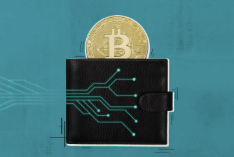
To assess top crypto wallets, a balanced view weighs security, usability, and asset breadth against privacy and data exposure. Hardware wallets offer offline resilience for sizeable holdings, while software wallets enable rapid trades and convenience. Cross-chain support, robust authentication, and fee structures tied to network dynamics influence suitability for different users. The comparison invites careful consideration of custody versus access and asset-specific needs, leaving the next discussion-ready to map choices to use cases and objectives.
How to Choose the Right Crypto Wallet
Choosing the right crypto wallet involves balancing security, usability, and compatibility with intended assets and platforms.
A careful assessment weighs privacy vs convenience, noting that choice affects data exposure and transaction friction.
Custody vs access emerges as central: full control strengthens sovereignty but heightens responsibility, while delegated access offers ease yet relies on third parties.
Clarity, risk awareness, and asset-specific needs guide informed stewardship.
Hardware vs. Software Wallets: Pros, Cons, and Use Cases
Hardware wallets and software wallets represent two fundamental categories in crypto custody, each with distinct strengths, trade-offs, and ideal use cases.
Hardware provides offline security and resistant key management, while software enables rapid transactions and convenience.
Consider hardware implications for large holdings and device loss risks; software tradeoffs involve exposure to online threats, yet easier access for everyday trades and recovery.
Context matters.
Top Wallets by Asset Support and Security Features
A concise evaluation of wallet options requires mapping asset support and security features across leading providers to determine practical trade-offs for diverse portfolios. Reported assessments emphasize broad asset coverage and robust authentication, yet reveal security tradeoffs between custodial convenience and non-custodial control.
Cross chain compatibility emerges as a pivotal factor, shaping risk and interoperability for freedom-seeking users navigating evolving token ecosystems.
Practical Guidelines: Fees, Compatibility, and Getting Started
Practical guidelines for wallets center on three core dimensions: fees, compatibility, and onboarding processes. This section outlines a concise framework: fees guide considerations include network costs, transfer timing, and withdrawal limits; compatibility tips emphasize cross-ecosystem support, device-agnostic access, and vendor interoperability. Getting started requires clear setup steps, secure recovery phrases, and verified compatibility with preferred exchanges and apps.
See also: Smart Contracts: Automating Trust
Frequently Asked Questions
How Do Wallets Handle Privacy and Data Sharing With Exchanges?
Wallets limit data sharing via privacy controls and data minimization, enabling offline transactions and exchange integration while reducing exposure; phishing resistance and recovery safety mechanisms are emphasized, ensuring secure exchange interactions without unnecessary personal data disclose.
Can Wallets Be Used Offline for Daily Purchases?
Offline payments are impractical for daily purchases; wallets generally require connectivity or online verification. This raises privacy implications, as transaction data can be broadcast or logged. Analysts note limited offline capability, reducing freedom in routine spending.
What Are the Best Practices for Backup and Recovery Phrases?
Best practices for backup and recovery phrases emphasize secure storage of backup phrases and recovery phrases, offline and offline-accessible formats, minimal exposure to privacy sharing and data sharing, and regular verification to maintain wallet access freedom.
Do Wallets Support Multi-Signature and Threshold Schemes?
Yes, wallets support multi signature and threshold schemes, enabling shared control and recovery. The landscape varies by protocol and implementation, with security trade-offs; credible sources emphasize governance, key distribution, and fault tolerance in practical custody designs.
How Do Mobile Wallets Compare in Phishing Vulnerability?
Mobile wallets exhibit moderate phishing vulnerability, with risk concentrated on mobile phishing exploits and user credential interception. They remain susceptible to wallet malware via app-tainted environments, though biometric layers and OS security mitigate some threats; ongoing user education remains essential.
Conclusion
Conclusion (75 words, third-person, detached, concise and sourced):
The comparison distills wallet choices into custody, usability, and asset support, guiding readers toward purpose-driven decisions. Hardware options emphasize offline resilience for large holdings, while software wallets enable rapid trading and convenience. Cross-chain compatibility, robust authentication, and fee structures frame practical costs and security trade-offs. As the article indicates, selecting a wallet is a risk-managed balance between control and accessibility, much like navigating a well-structured financial landscape.