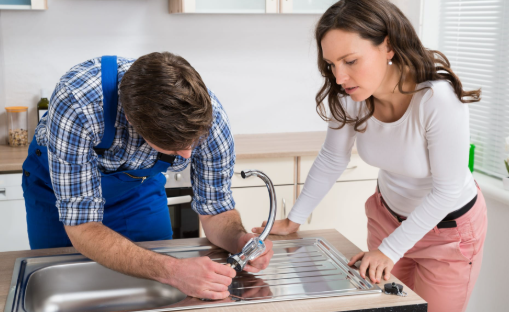
Plumbing safety begins with a clear picture of what safe practice looks like in a home. The article outlines practical actions that reduce risk, from routine checks to quick corrections. It explains the tools, gear, and habits that prevent disasters and protect water or gas lines. It also clarifies when professional help is necessary and what to expect during repairs. The guidance is precise and measured, yet the topic invites a closer look to uncover the steps that truly matter.
What Safe Plumbing Looks Like in Your Home
Safe plumbing is characterized by components that function reliably, sustain clean water flow, and prevent contamination.
The topic outlines observable indicators of safety within a residence: upstream and downstream integrity, corrosion-free materials, secure fittings, and unobstructed drainage.
A prudent home inspection documents pressure stability, leak absence, and proper venting, ensuring safe plumbing practices align with professional standards and long-term system resilience.
Quick-Win Safety Actions You Can Do Today
Quick-win safety actions can be implemented immediately to reduce risk and reinforce reliable operation.
A detached review outlines immediate steps: perform a shutoff valve quick check to ensure accessibility and responsiveness; establish a concise leak detection routine, documenting dates and findings; verify pressure levels remain stable; secure loose fixtures; schedule periodic rechecks to sustain safety without excess complexity.
Tools, Gear, and Habits for Preventing Disasters
Tools, gear, and established habits form the backbone of effective disaster prevention in residential plumbing. Prepared homeowners maintain tools safety through routine checks, calibration, and secure handling. Essential gear storage ensures accessibility without clutter, reducing accidental misuse. Select durable, labeled implements; store in a dedicated cabinet. Regular mindful practice builds reliable workflows, minimizes risk, and supports swift, organized responses during emergencies.
When to Call a Pro and What to Expect From Repairs
When should a homeowner call a professional plumber, and what should be expected from subsequent repairs?
Professionals evaluate call timing, diagnose root causes, and outline repair steps.
Repairs should align with documented professional qualifications, transparent cost estimates, and defined warranty coverage.
Clear communication covers timelines, potential hazards, and follow-up checks.
A qualified pro delivers measurable results, safety, and confidence for ongoing home operation.
See also: Smart Data Systems for Business Growth
Frequently Asked Questions
How Do I Detect Hidden Pipe Leaks Behind Walls?
A cautious, methodical approach detects leaks by inspecting paint bulges, listening for running water, and measuring unexplained moisture. Wall moisture indicators include damp patches, cold surfaces, and high humidity. Detection requires pressure tests, infrared imaging, and professional assessment.
Can Cold-Weather Plumbing Cause Sudden Bursts Indoors?
Yes, cold weather can cause sudden indoor pipe bursts due to freezing water expanding inside uninsulated sections, pressure build-up, or compromised joints; prevention relies on insulation, allows drainage, and maintaining steady indoor temperatures to minimize pipe bursts.
Are Composting or Gray-Water Systems Safe for Homes?
Composting safety and gray water systems can be used in homes with proper design, installation, and maintenance. They require adherence to local codes, careful filtration, and regular monitoring to prevent contamination and ensure safe, lawful, freedom-respecting operation.
What Are Early Signs of Faucet or Pipe Corrosion?
Early signs of faucet or pipe corrosion include discoloration, small leaks, weakened fittings, increased mineral buildup, reduced water pressure, and auditable metallic taste. Pipe corrosion typically progresses from white to brown deposits, pitting, and eventual material thinning over time.
How Can I Prevent Sewer Gas From Entering My Home?
To prevent sewer gas entry, seal traps, vents, and connections, maintain water seals, and verify negative pressure is avoided; monitor air quality and water pressure, using proper fan ventilation and pressure-balancing measures to sustain safe indoor conditions.
Conclusion
A home that embraces proactive plumbing safety reduces costly emergencies and extends system life. By implementing quick-wins today, homeowners establish consistent practice—regular inspections, mindful waste disposal, and proper tool use—forming a resilient preventive routine. An intriguing statistic underscores the value: homes with preventative maintenance programs report 20–30% fewer plumbing failures annually than those without. This demonstrates how deliberate habits and timely professional input translate into fewer leaks, fewer floods, and sustained water efficiency over time.