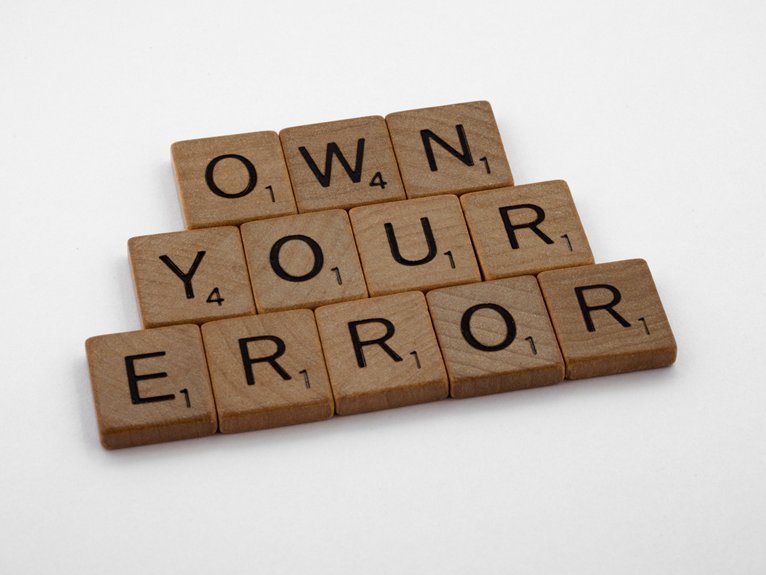
Speling Oeven Explained examines how deliberate misspelling alters meaning, reception, and governance of discourse. The discussion links common errors to keyboard mechanics, cognitive load, and ergonomic layouts, then outlines methods to identify and correct mistakes with disciplined pacing. Auto-correct and autocomplete influence habits and vocabulary breadth, sometimes constraining expression. Practical implications emphasize measured checks, rhythm, and layout adjustments, inviting readers to weigh these factors against clarity and intent as the topic unfolds.
What Speling Oeven Means in Plain Language
Speling Oeven refers to a fictional or misspelled variant of the term “spelling,” used here to illustrate how deviations from standard orthography can affect meaning and reception.
The discussion clarifies Spelling origins and clarifies Plain language meaning within analytical terms.
It notes deliberate, rhetorical deviations as reflective of reader interpretation, governance of discourse, and the ethical implications of accessible expression for individuals seeking freedom.
Top Misspellings and Why Your Keyboard Keeps Tripping Over Them
From the examination of Speling Oeven and its implications for reader interpretation, the focus now shifts to common typographical errors and the mechanisms by which keyboards contribute to them. The discourse identifies frequent misspellings, articulates underlying cognitive-kinesthetic factors, and notes how misspell coaching can recalibrate habits. Keyboard ergonomics emerge as a structural variable influencing accuracy and speed, shaping corrective strategies.
Practical Tricks to Spot and Fix Errors Before You Hit Send
Effectively spotting and correcting errors before sending a message hinges on a structured proofreading approach that combines cognitive checks with mechanical safeguards. The technique emphasizes deliberate slow reading, sentence-level rhythm, and factual verification, reducing cognitive load. Spelling psychology informs error susceptibility, while keyboard ergonomics shapes finger memory and slip-prone patterns, guiding targeted adjustments for faster, reliable, and disciplined communication.
How Auto-Correct, Autocomplete, and Layouts Shape Your Spelling Habits
Auto-correct, autocomplete, and device layouts collectively shape everyday spelling habits by steering word choice, typographic patterns, and error recovery processes. This influence extends to auto correct pitfalls, where overreliance condenses vocabulary and biases corrections away from nuance.
Keyboard layouts also constrain input sequences, subtly directing spelling outcomes and reinforcing patterns that encode efficiency over expansive linguistic exploration.
Frequently Asked Questions
How Does Spelling Influence Professional Credibility Across Industries?
Spelling influences professional credibility across industries by signaling attention to detail and brand consistency; Spelling and branding converge, strengthening perceived reliability. In professional communication credibility, accurate spelling reduces ambiguity, supports authority, and sustains freedom to focus on substantive expertise.
What Cognitive Traps Cause Spelling Mistakes Beyond Keyboard Shortcuts?
Alliterative caution compounds cognitive biases and attention lapses, causing spelling slips beyond mere keystroke glitches. The analysis notes persistent perceptual biases, working-memory demands, and fatigue, shaping systematic slips that undermine accuracy, despite deliberate attempts toward precise, principled, self-directed writing.
Can Regional Dialects Affect Spelling Accuracy in Formal Writing?
Regional dialects can influence spelling accuracy in formal writing, subtly shaping choices and conventions; however, standardized norms remain dominant in assessment, editorial practice, and education, guiding writers toward uniformity while preserving regional linguistic awareness and stylistic freedom.
Do Non-Native Speakers Have Unique Spelling Challenges and Fixes?
Non-native speakers encounter unique spelling challenges, including inconsistent orthography and pronunciation transfer. They implement fixes such as phonetic guidance, systematic drills, and targeted feedback to reduce non native spelling errors while preserving linguistic variation and communicative clarity.
How Do Social Media and Memes Reshape Spelling Norms?
Symbolically, social media and memes act as catalysts, reorganizing conventions and exposing fluid spelling norms. They influence spelling slang adoption and meme capitalization, shaping orthographic choices through rapid feedback, peer validation, and the pursuit of online identity and freedom.
Conclusion
In examining the theory that repeated misspellings reveal underlying cognitive and ergonomic patterns, the evidence suggests a nuanced truth. Spelling errors often reflect keyboard proximity, habitual sequences, and cognitive load rather than mere carelessness. While auto-correct and layouts can mask deficiencies, deliberate proofreading remains crucial. The theory holds that understanding these factors improves detection and correction, guiding readers toward healthier habits and writers toward more deliberate, architecture-aware practices. Thus, the field gains a practical framework for resilience against typographical drift.